Perhaps you’ve never heard of the concept of “circular economy”, but you’re sure to agree with its principles. Knowing the impact of climate change, who wouldn’t be concerned about energy waste, the generation of plastic waste and the damage being done to ecosystems? The regions of Barcelona are very environmentally conscious; several political and citizen-driven initiatives exist aimed at fostering a more environmentally-friendly lifestyle. We also promote sustainable tourism, so here are five suggestions for conserving the environment we all share.
Strength, balance, courage and common sense, the four key concepts of human tower building, repeated like a mantra by its practitioners. For spectators, the most appropriate words might be thrills, nerves, suspense and joy. Without a doubt, to experience a human tower building event is to navigate a sea of sensations. So it’s no wonder that UNESCO inscribed this Catalan tradition par excellence on its list of Intangible Cultural Heritage of Humanity.
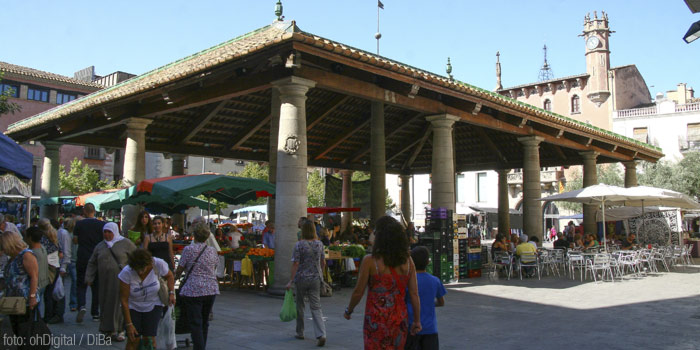
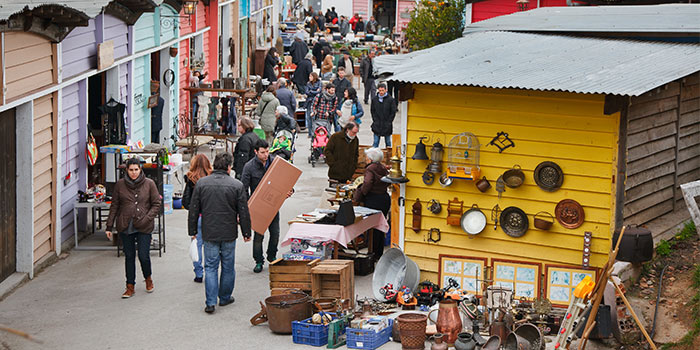
Getting to Granollers isn’t so easy but once you’re there you won’t want to leave. You’ll be drawn in by the hustle and bustle of its market, the charm of its historical centre (ideal for a leisurely stroll), the splendour of its architectural heritage, the creativity of the Arts Factory and an endless number of other attractions. Visit the captivating capital of the Vallès Oriental region!
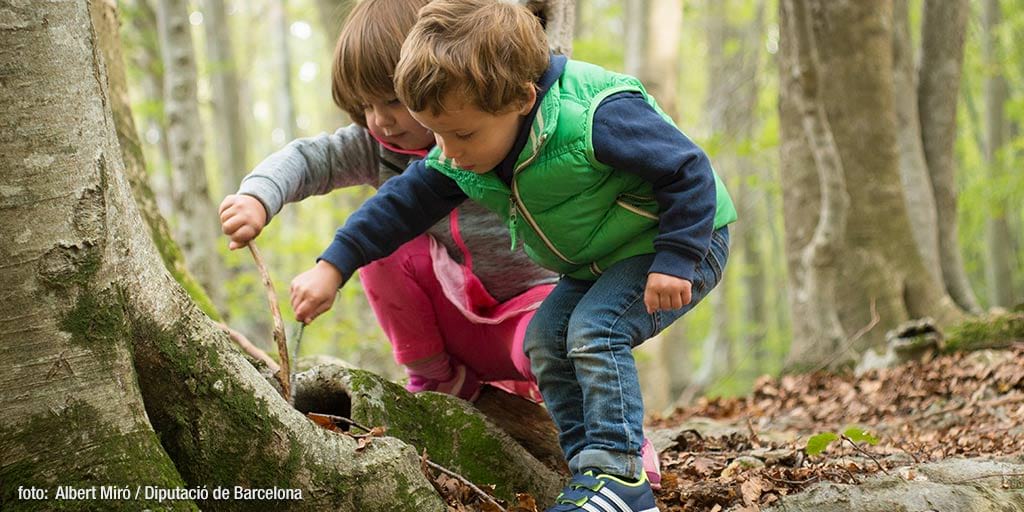
Lots of people dream of a holiday in the countryside, staying in the heart of nature, trying typical dishes, discovering traditional trades and experiencing village life. Are you one of them? Keep reading! You’ll find a selection of suggestions for enjoying sustainable rural tourism in the regions of Barcelona.
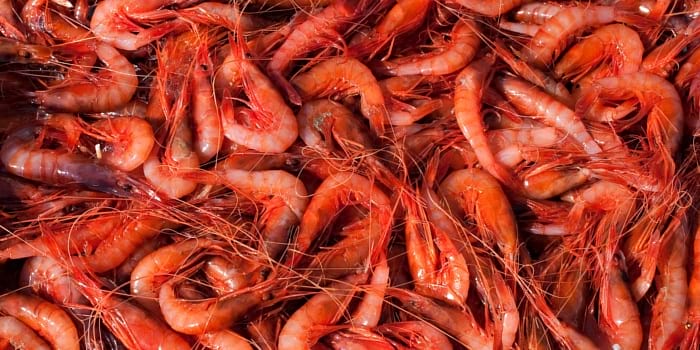
With over 100 kilometres of blue Mediterranean coastline, it is easy to understand why the municipalities of Costa Barcelona have such a close relationship with the sea. The origins of many villages, towns and cities in Maresme, Barcelonès, Baix Llobregat and Garraf, lie in fishing, maritime trade and shipbuilding – origins that for many of these places are by no means a distant memory. Along this stretch of coastline, fishing remains one of the main industries – a fact that you can see for yourself, if you visit any of the seafood auctions that take place on the region's quaysides every day.
Entering the club of properties inscribed on UNESCO’s World Heritage List is a highly restricted privilege, since the criteria of its selection committee are incredibly strict. That’s what makes it so impressive that the regions of Barcelona boast a total of 9 World Heritage buildings. They’re all must-see attractions for architecture enthusiasts!
If you’re the sort of person who enjoys combining cultural visits in cities with nature excursions, here are four of the routes favoured by Barcelona locals, who also like to get away from it all and enjoy the outdoors, especially when these beauty spots are so close to home. These routes offer something for everyone and, like almost every other route in the country, can be enjoyed all year round.
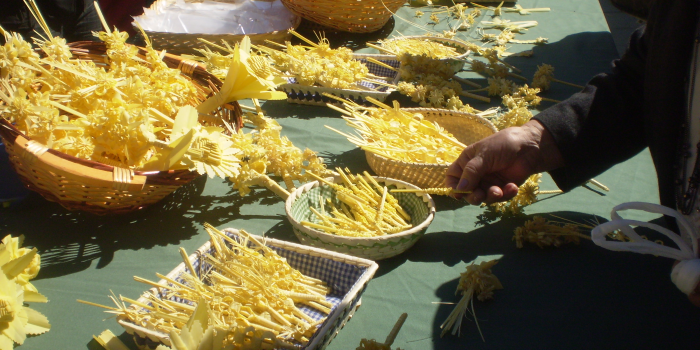
Processions, Passion Plays, candlelight vigils and sweets foods made from the finest local produce await you and are closer than you think. In the regions of Barcelona, Easter is not celebrated with the same religious fervour as elsewhere, but it does have deep-rooted traditions that adeptly combine spectacle and liturgy. Do you know the best ways to fully enjoy the festival?

In ancient times, when Vella Quaresma (Old Lady Lent) arrived with her seven legs poking out from under her skirt, everyone knew what it meant: it was time for fasting and abstinence! After all the excesses encouraged by the Carnestoltes (Carnival King), it was time to go on a diet, forsaking meat, eggs and milk in preparation for Easter. However, these restrictions didn’t mean that dishes were plain or basic; not by a long chalk! Our ancestors knew how to make the most of the ingredients that were allowed in order to carry on enjoying good cuisine; traditional dishes that are still made today in homes across Catalonia or at the culinary get-togethers held over the seven weeks of Lent.
There are 5 unmissable carnivals in the regions of Barcelona for those who enjoy dressing up, fun revolutions and excesses of all kinds. From Dijous Gras or Fat Thursday (the last Thursday before Lent) to Ash Wednesday, the only thing on everyone's mind in Vilanova, Vilafranca, Sitges, Sallent and Torelló is enjoying the annual visit of the Rei Carnestoltes (Carnival King) to the full. Are you ready to celebrate the party of parties?
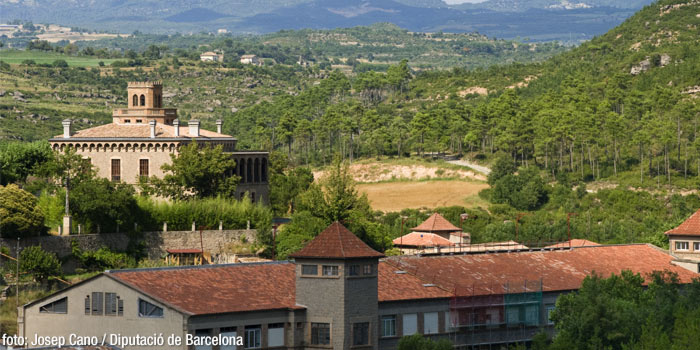
If you have a curious mind and are looking for a family-friendly activity, then plan a day trip to the colònies tèxtils (textile model villages) of the regions of Barcelona. Built between the end of the 19th century and the early 20th century, they’re still full of working machines, fabrics you’re allowed to touch and plenty of amazing stories. Ready to journey into the past?

If you think you need to travel beyond the regions of Barcelona to enjoy ancient and meaningful cultural spectacles, then you haven’t experienced the atmosphere of human tower-building performance from the front row, you haven’t leapt up and down during the Patum festivities in Plaça de Sant Pere in Berga, and you haven’t seen the night-time descent of the falles (torches) in Berguedà. If you had, you’d understand why UNESCO has included these essential ancient traditions in its List of Intangible Cultural Heritage of Humanity and, above all, you’d make a date in your diary to make sure you don’t miss them!
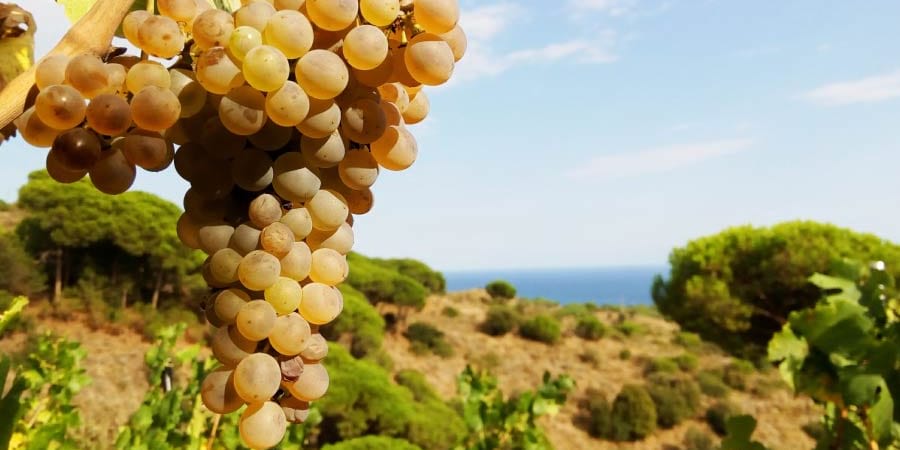
Barcelona is the land of wines. More than 2,500 years ago, the Romans and Iberians cultivated vines to produce the favourite drink of the gods, a drink that has shaped the landscape and culture of the regions of Barcelona. Just a stone’s throw from the city, you can enjoy three DO (Designation of Origin) wine areas that offer such a wide range of activities and experiences that you’ll want to keep coming back to try them all.
If you have a disability and are eager to visit new places, the province of Barcelona is your ideal destination. And not only because its towns and cities devote lots of resources to safeguarding the right of persons with reduced mobility or with other vision, hearing or intellectual impairments to enjoy the destination, but also because they aim to do so in a sustainable, environmentally friendly manner. Accessible tourism can and should be sustainable! From Calella Beach to the Natural Area of Guilleries-Savassona, here are four suggestions for an enjoyable, sustainable break.
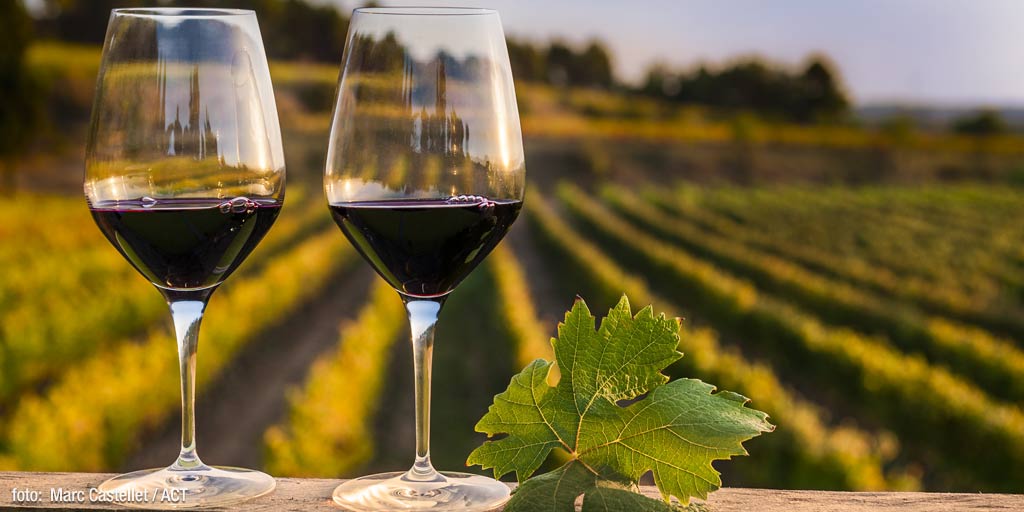
If you don’t know how organic, biodynamic and natural wines differ from each other but you’d like to find out, take a trip around the regions of Barcelona. From Alt Penedès to Maresme, passing through Bages, there are many wineries that adopt a green approach to winemaking, producing extremely high-quality wines without harming the environment. Some of the names may well ring a bell, while others will be new discoveries: small, family-run companies with limited production and strong environmental awareness. The seven suggestions below are likely to make you a convert to sustainable wine tourism.
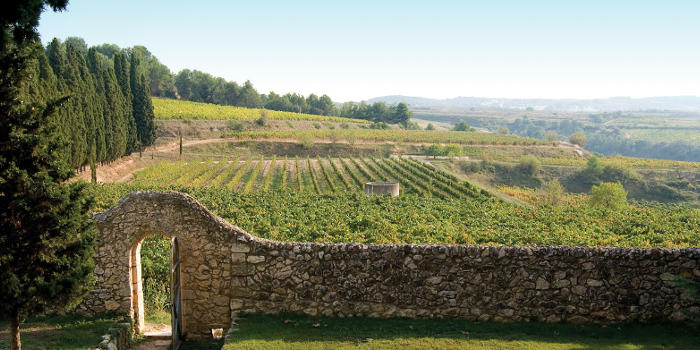
Beyond the Collserola Mountains that embrace Barcelona, there are plenty of little-known beauty spots through which you can discover the essence of the regions of Barcelona, while enjoying more peace and quiet.
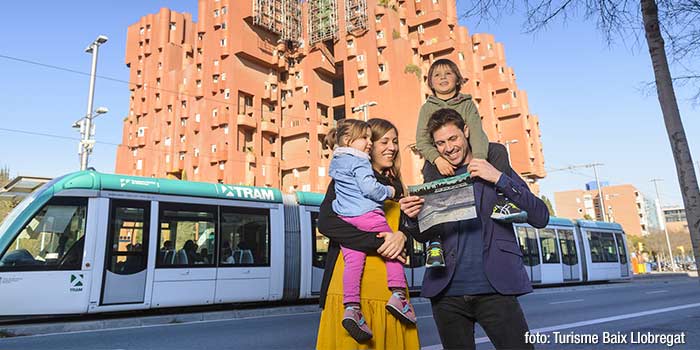
Given the growing concern about environmental issues and climate change, more and more people prefer to travel without polluting at all or as little as possible. Proponents of sustainable tourism try to avoid using cars, buses, planes and cruise ships, and when they can choose between different means of transport they choose the one with the smallest carbon footprint. Are you one of them?
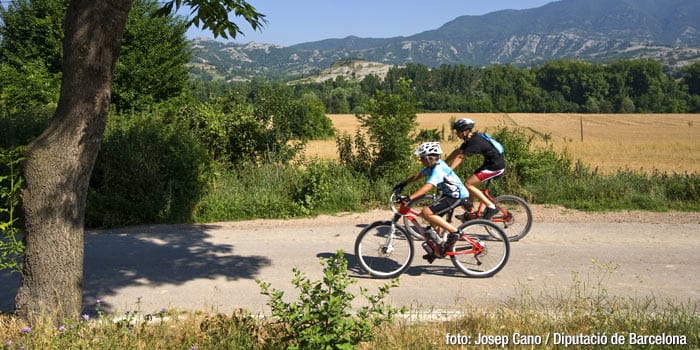
The tram and train are the greenest public transport systems. But if in addition to being environmentally friendly you also want to do some exercise and travel around at your own pace, perhaps you should explore the different types of active and sustainable transport promoted in the regions of Barcelona. Getting around on foot, by bike or on horseback can only bring you benefits, so get moving! Green mobility awaits you!
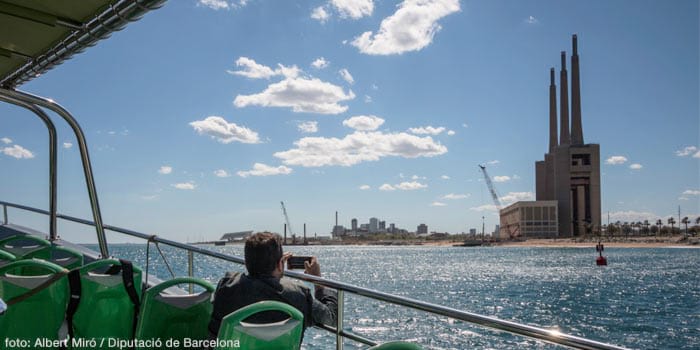
For a long time we believed that heritage was only a thing of the past, which is why we visited museums to explore it. But all you have to do is head out for a stroll to see that the streets house the biggest collection of them all. We suggest a route that goes beyond the historical façades of the streets of Barcelona, immortalised every day in thousands of selfies. The cities and towns close to the capital are also home to architectural jewels that make them well worth a visit.
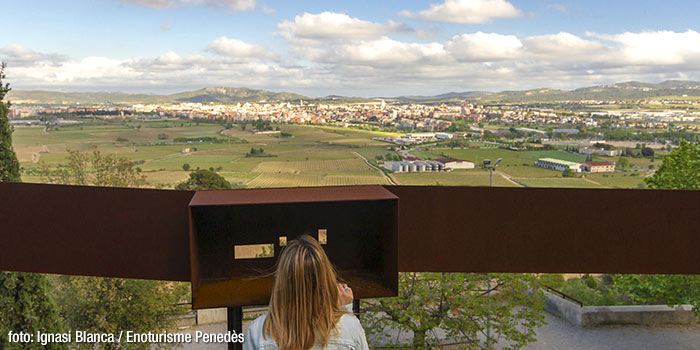
La Cadira (The Chair), La Bardera (named after a nearby ancient farmhouse), El Circell (The Tendril), Sant Pau (Saint Paul) and Balcó del Penedès (Balcony of the Penedès) are the names of the five lookout points that form part of the Miravinya route. This route, designed to be travelled by car, is a fantastic way to discover a good part of the geography of the Alt Penedès region, along with its culture and history. In addition to vineyards, you can also explore mediaeval castles, paper mills, chapels, monasteries, towns and villages, and natural areas of great interest.
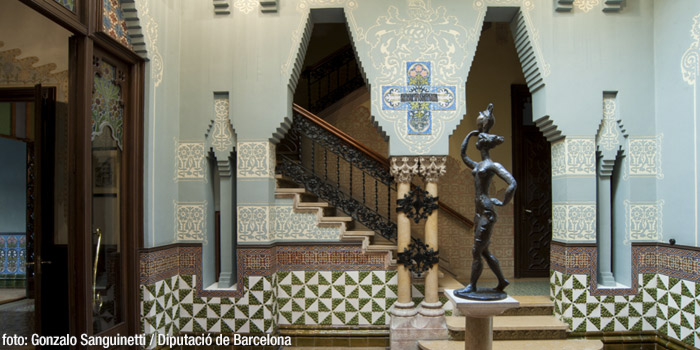
Have you have arrived in a place and not wanted to leave because of how great you felt there, how nice the people were and how wonderful everything was? Well, that's how you'll feel if you visit Mataró. The capital of the Maresme region will hook you with its beaches, its Roman legacy and a modernista route that abounds with treasures.
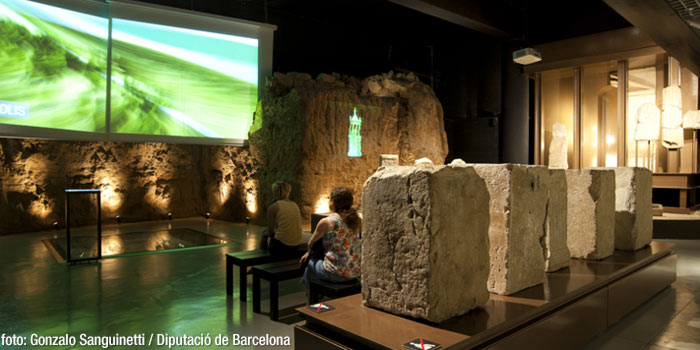
Stroll along the refurbished seafront of Badalona on a sunny day and you may well end up wanting to move to the city! With five kilometres of beautiful beaches under the shade of palm trees, a seafront dating from the modernista period and several terraces on which to sip a cold beer, the city will draw you in. It's no illusion, Badalona is the real deal. Embrace it!.
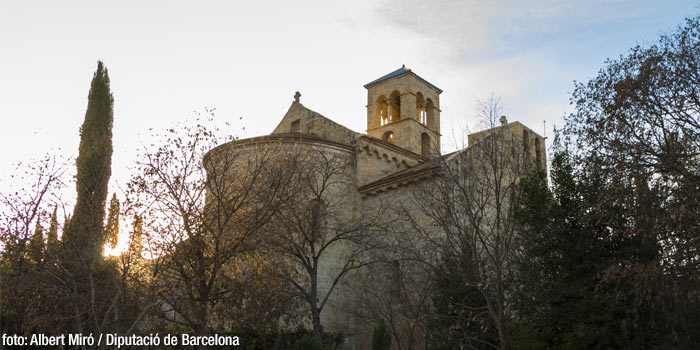
Are you looking for somewhere special to go for a romantic weekend? A morning of culture? A company convention? A special dinner? A creative workshop for kids? At Món Sant Benet, the heritage and leisure complex in the Bages region, you’ll find all of that and so much more! Come and visit this magical place; you’ll be amazed by its thousand years of mysteries, stories and fables.
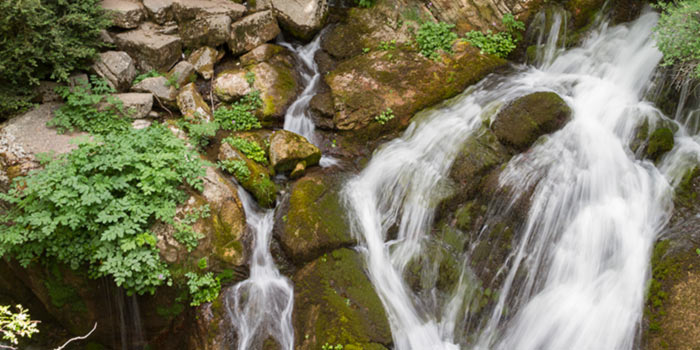
Peace and quiet. Berguedà is a paradise for those who need to flee from the city and get away from it all, even if only for a few hours, in nature at its most peaceful. Stress is nowhere to be seen in this mountain region... and nobody misses it at all! This is a land where purity reigns.
Showing 25 - 48 of 251 results.