

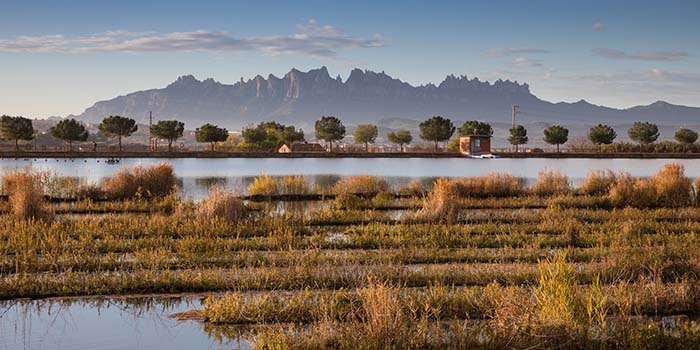
Agulla Park
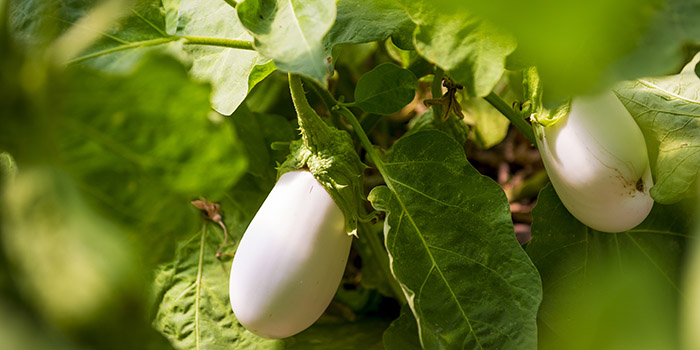
Allotments in Viladordis
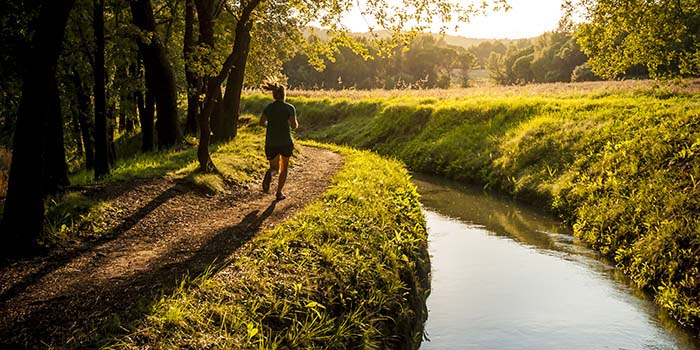
Sèquia Park
Route through Manresa surrounded by water
The city of Manresa, which is located in the centre of Catalonia, is a destination for people who are passionate about art, culture and history, but also for nature lovers. Both in the city and on its outskirts, there are countless natural areas of great beauty, where water takes centre stage.
The Cardener park, the Rajadell torrent, the Llobregat basin, the Bufalvent environmental park, the Viladordis irrigation canal, the Agulla park, the Poal irrigation canal, the Guardiola stream and the Montlleó mountain range are the nine areas that are part of the Anella Verda de Manresa (Green Belt of Manresa), an array of free-access sites around the city of Manresa, where you can enjoy a range of recreational, sporting and cultural activities.
In most of them, water plays a prominent role in the form of rivers, streams or canals. The Rajadell stream, for example, includes marked trails that allow you to explore the last ten kilometres of the torrent before it flows into the Cardener river at Can Poc Oli through lush valleys full of vegetation.
Water is the way
The Sèquia Park is an institution that manages the areas and facilities linked to the Manresa irrigation canal (or sèquia), a masterpiece of medieval engineering that was used to bring water to the city. In this park, you will find the Sèquia trail, the Agulla Park, the Centre de l’Aigua (Water Centre), the Casa de la Culla farmhouse and the Museu de la Tècnica (Technology Museum), i.e. places where the importance of water for human development is explained.
To begin with, the Camí de la Sèquia is a 26-kilometre marked trail that runs alongside the irrigation canal, which flows into the Agulla park, an area with more than six hundred trees dominated by an artificial pond that came into operation in 1974 to supply water to Manresa and other towns in the area. With views of the Montserrat mountain range, it is the main leisure area for the inhabitants of Manresa.
Nearby is the Centre de l’Aigua (Water Centre), with an exhibition area, an experimental area and a study area that are open to anyone who wants to learn more about water and its importance. In Manresa, you can also visit the Casa de la Culla, a medieval farmhouse, where the importance of water for irrigating the fields is explained and environmental education workshops are held, and the Museu de l’Aigua i el Tèxtil (Water and Textile Museum), which is located in the old reservoirs, where the city’s water was stored in the 19th century.
Did you know?
From the lock to Agulla park
The Sèquia of Manresa is the canal that carries water from the Llobregat river to Manresa. Besides being one of the main medieval engineering works in Europe and supplying water to the surrounding municipalities, it includes another function: welcoming visitors looking for a quiet spot to take a stroll. There are several points from which to start a walk or bike tour along the irrigation canal, from the lock, located at the foot of Balsareny castle, to the chapel of Santa Magdalena de Bell-lloc, the chapel of Santa Anna or Agulla park in Manresa.
More information:
Parc de la Séquia
Museu de l'Aigua i el Tèxtil